

Construction Crane Collapse Deaths Keep Piling Up
On the anniversary of the Google office crane tower collapse, we ask: Is the industry doing enough to prevent more deaths?
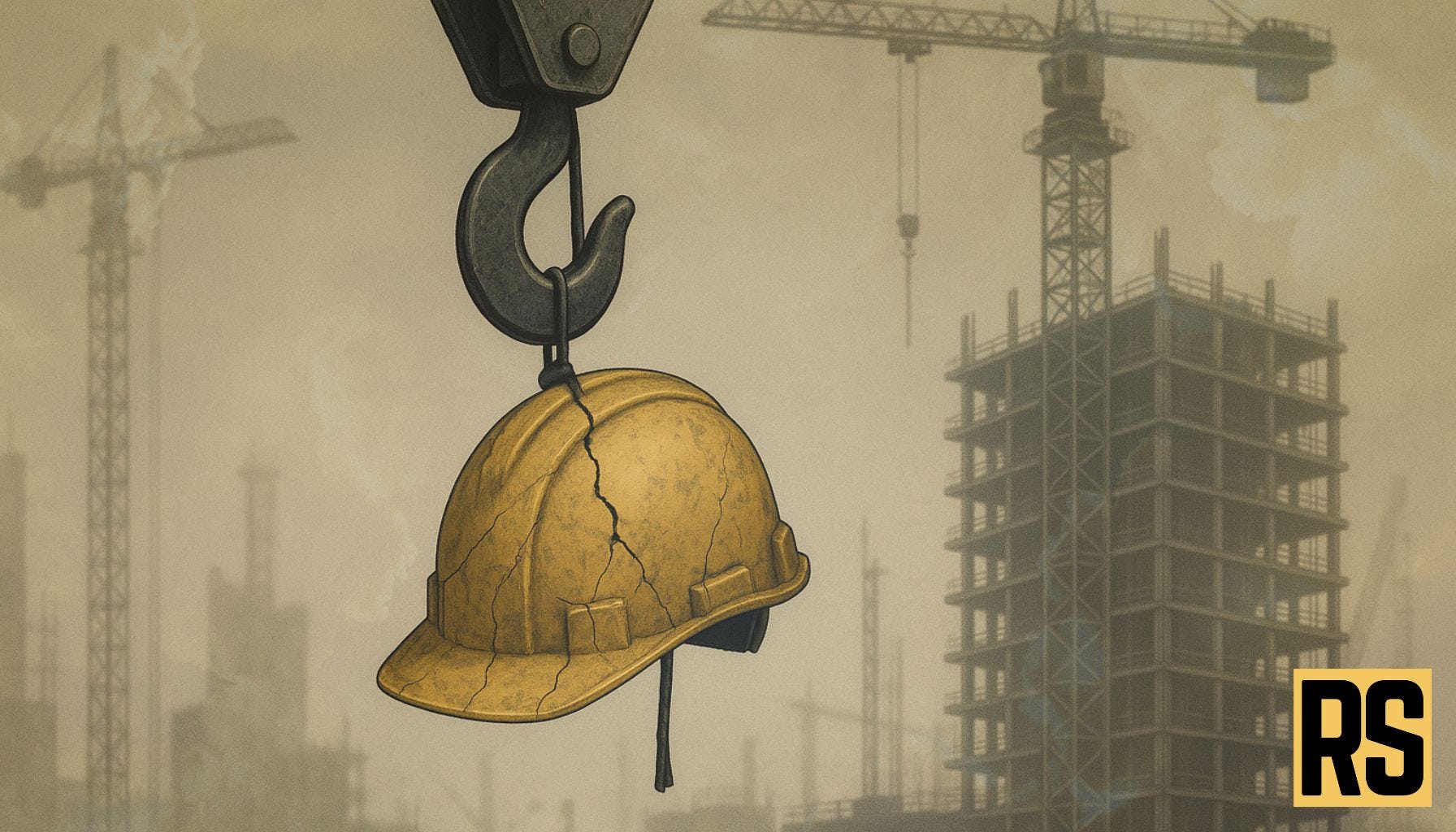
It was a Saturday afternoon in Seattle when the unthinkable happened. A tower crane, perched atop a Google office project under construction, suddenly gave way and collapsed across Mercer Street in a tangle of steel and glass. On that day, April 27, 2019, four lives were lost: two ironworkers who had been dismantling the crane, and two unsuspecting people driving below. The chaos left others injured and a city stunned.
As investigators dug into the wreckage, a disturbing truth emerged: this wasn’t a freak accident. More than 50 structural pins had been removed early during disassembly, a shortcut that made the crane dangerously unstable. Additionally, wind gusts that should have shut the site down were ignored. These were not just errors—they were calculated risks that ended in tragedy, and ultimately led to a lawsuit demanding accountability.
In March 2022, a King County jury awarded over $150 million to the families of victims and injured survivors. The verdict held Northwest Tower Crane Service, Omega Morgan, and Morrow Equipment accountable.
Six years after the Seattle tragedy, the question remains: Why are crane collapses still happening?
Between The Lines:
Dallas, TX: In one of the largest verdicts of its kind, a jury awarded $860 million against Greystar Development and Construction following the June 2019 crane collapse that killed 29-year-old Kiersten Smith. The crane toppled onto an apartment building during a storm, despite warnings about high winds.
Fort Lauderdale, FL: In April 2024, a construction crane collapsed near the 3rd Avenue Bridge in downtown, killing one worker and injuring two others. A recent OSHA report found fault with the companies installing the crane tower.
New York City: A March 2008 collapse killed seven people and injured dozens more. Another crane fell in February 2016, killing a pedestrian in Tribeca and injuring others. Each time, investigations cite human error, improper rigging, or ignored safety protocols.
Shocking Statistics: Between 2011 and 2017, the U.S. Bureau of Labor Statistics reported an average of 42 crane-related deaths annually. The largest share of deaths, 50, were in the state of Texas.
Are Tower Crane Regulations Strong Enough To Prevent Future Accidents?
The Occupational Safety and Health Administration (OSHA) has rules in place, but inspections are infrequent and underfunded. States vary widely in their requirements for crane operators, safety engineers, and third-party oversight. Some jurisdictions require only minimal certification, while others rely on self-reporting by the very companies profiting from rushed deadlines.
As the anniversary of the Seattle collapse approaches, it’s time to demand stricter enforcement and real accountability. And until that happens, more lawsuits, and more lives upended, will follow.